Moving from Wandle Park area removals and parking advice
Posted on 16/07/2026
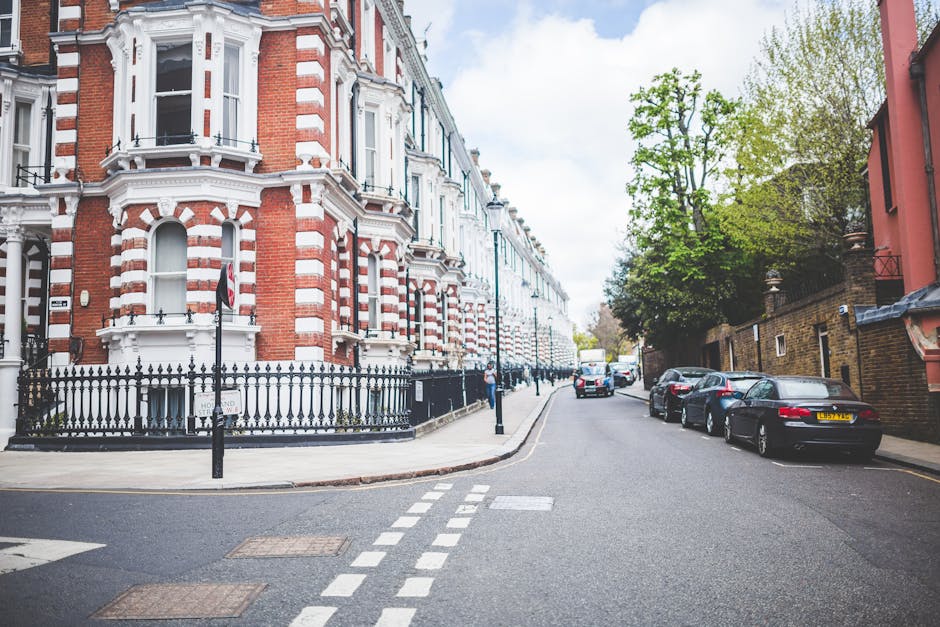
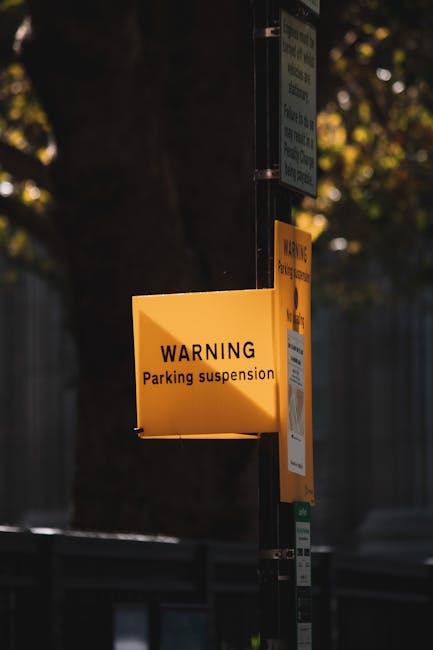
If you are planning Moving from Wandle Park area removals and parking advice, the first thing to understand is that the move is rarely just about boxes and a van. Around Wandle Park, the real challenge is often access: tight streets, shared driveways, busy kerbs, and the awkward question of where the vehicle can safely stop without causing a fuss. Get the parking side right, and the rest of the day tends to feel much easier. Get it wrong, and even a simple move can become one of those long, draining mornings that everyone remembers for the wrong reasons.
This guide walks you through the practical side of removals in and around Wandle Park, with clear parking advice, planning tips, timing ideas, and a few common-sense checks that make a surprising difference. If you are moving a studio flat, a family home, or a small office, the same principles apply: know the access, book the right help, and leave less to chance. For broader local context, it can also help to read local advice on moving to Colliers Wood and the wider neighbourhood handbook.
Why Moving from Wandle Park area removals and parking advice Matters
The parking piece matters because removals are time-sensitive. A lorry or van that cannot get close enough to the front door quickly turns a tidy schedule into a messy one. You end up with longer carrying distances, more labour, more congestion, and a higher chance of damage to furniture or the building itself. That is true whether you are in a top-floor flat, a terrace with limited frontage, or a property near a busier stretch where traffic comes and goes all day.
There is also the human side of it. A move already asks a lot from you. It pulls together keys, utilities, packing, family logistics, and last-minute admin. Parking problems add noise to all of that. The van arrives, everyone looks around, and suddenly the simple question becomes: where exactly can we stop? If there is no plan, you can feel the whole day wobble a bit. If there is a plan, you are usually in much better shape by breakfast.
Expert summary: The best move is not always the cheapest quote or the biggest vehicle. It is the move where access, parking, timing, and loading distance are thought through before the first box leaves the hallway.
That is why local moves around Wandle Park benefit from area-specific planning. And if your move is part of a larger property change, the local housing picture may also matter; readers often find selling your home in Colliers Wood and the Colliers Wood property guide useful when they are timing removals around completion dates.
How Moving from Wandle Park area removals and parking advice Works
In practice, the process is quite straightforward once you break it down. First, you work out what needs moving and how much space it will take. Then you check access: road width, frontage, loading distance, stairs, lifts, door clearance, and any restrictions around stopping near the property. After that, you decide what type of removal support makes sense, from a full team to a smaller man with van option or one of the broader removal services in Colliers Wood.
The parking advice part is about reducing friction. You want the van as close as possible, but you also want to stay within sensible local rules and avoid blocking driveways, dropped kerbs, or pedestrian routes. In London, that usually means thinking ahead about where the vehicle will sit while loading and unloading, and whether you need temporary permission, a loading window, or simply a spot reserved by careful timing. Not glamorous. Very useful.
A good removals team will usually ask about all this before moving day. If they do not, that is a clue. Better providers think in terms of access, safety, and time on site. You may want to compare options such as man and van support, a larger house removal service, or even a short-term storage solution if your dates do not line up neatly. To be fair, many moves don't.
Key Benefits and Practical Advantages
Good removals planning around Wandle Park gives you more than convenience. It improves the whole moving experience in ways people only really notice once they have done it both ways.
- Shorter loading times: When the van can park close, boxes and furniture move faster and with less effort.
- Lower risk of damage: Fewer long carries mean fewer bumps on walls, bannisters, and door frames.
- Less stress for neighbours: A clean, tidy loading plan is easier on everyone sharing the street.
- Better crew efficiency: Removal teams work more smoothly when they are not improvising access.
- Fewer delays on the day: Parking is sorted, so the schedule stays closer to reality. Or at least, reality with fewer surprises.
There is also a practical cost angle. If the crew spends less time walking items back and forth, the day can feel more efficient. That does not mean every move is cheaper, of course, but good access often helps avoid unnecessary time pressure. And time pressure is usually what creates mistakes.
If you are comparing providers, it can be useful to look at removal companies in Colliers Wood, check pricing and quotes, and make sure the company's practical standards align with your needs. For some households, the right fit will be a full-team service; for others, a compact vehicle such as a removal van makes more sense.
Who This Is For and When It Makes Sense
This guide is for anyone moving from the Wandle Park area who wants the day to feel organised rather than improvised. That includes homeowners, renters, students, and small business owners. It also helps if you are moving from a flat with limited street access, a property near a junction, or a place where parking is always a bit of a puzzle.
You may need this especially if:
- your property sits on a narrow road or a street with heavy resident parking;
- you need to load furniture from a first-floor or upper-floor flat;
- you are moving at the weekend, when parking can be tighter than expected;
- you have large or fragile items, such as wardrobes, mirrors, or a piano;
- your move date is fixed but the parking arrangement is still uncertain;
- you are coordinating a same-day key handover or a tight completion window.
Students and flat-sharers often benefit from small, flexible teams rather than larger lorries. Families, on the other hand, may prefer a more structured service with multiple crew members and clearer arrival timing. If you are dealing with a smaller household load, it may be worth looking at student removals or flat removals. For bigger jobs, house removals usually give you more room to breathe.
Step-by-Step Guidance
Here is the practical route we would recommend. Nothing fancy. Just the sequence that tends to prevent headaches.
- Walk the route from your door to the road. Check stairs, lifts, door widths, tight corners, and any awkward furniture turns. What looks fine in a room can suddenly become impossible on a landing.
- Measure the main items. Sofas, beds, wardrobes, and fridges deserve proper measurements. Guessing is where the fun stops.
- Decide what type of vehicle you need. A smaller van may be enough for a studio or one-bedroom move; larger homes usually need more capacity.
- Look at parking and stopping options. Identify where the vehicle can wait without blocking access. If the street is busy, think about timing rather than just space.
- Book the move with access details. Tell the removal company about restrictions, long carries, stairs, or anything that might slow loading.
- Pack by priority, not by room alone. Keep essentials together, label clearly, and separate fragile items early.
- Keep a buffer in your schedule. If you have a key handover, plan for delays. A twenty-minute cushion can save an hour of stress.
- On the day, keep the entrance clear. Shoes, recycling, loose bags, and pet items all seem to gather in the worst place possible.
- Do a final walk-through. Check cupboards, loft spaces, under beds, and behind doors. The missing kettle is never where you expect it.
One practical detail many people skip: tell neighbours if there will be a van loading outside. You do not need a formal announcement, just a polite heads-up where appropriate. It smooths the mood more than you might think.
If you need help with packing materials, it is worth reviewing packing and boxes in Colliers Wood before the big day. Better boxes, better stacking, fewer collapse moments. Simple.
Expert Tips for Better Results
Small decisions often make the biggest difference. Here are the things that tend to separate a smooth move from a slightly chaotic one.
- Choose your loading time carefully. Early morning often works best because roads are calmer and everyone still has patience.
- Keep heavy items close to the exit. If you can stage them in advance, you reduce the number of awkward carries.
- Use colour or room labels. This helps the unloading side as much as the packing side.
- Protect floors and door frames. Especially in rented properties where small scuffs become a bigger conversation later.
- Prepare a parking fallback. Have a second option in mind if your first spot is taken when the van arrives.
- Separate essentials. Put keys, chargers, medication, documents, and basic toiletries in one easily reached bag.
- Ask about insurance and handling. Good companies should be comfortable discussing care, liability, and item protection.
A slightly underrated tip: do not overpack boxes just because they fit. A box can be full and still be a terrible lift. That is a classic moving-day trap, honestly.
If you have a specialist item such as an upright piano or an unusually delicate cabinet, look at piano removals in Colliers Wood or a more tailored service through furniture removals. Big items need patience and proper handling, not optimism.

Common Mistakes to Avoid
Most moving problems are preventable. That sounds obvious, but it is still true. The common mistakes usually fall into a few predictable buckets.
- Leaving parking to the last minute. If you are hoping for a lucky space on the day, you are making a gamble.
- Not checking access details. A van may fit on the road but still struggle at the actual frontage.
- Underestimating loading time. Two heavy items can change the whole schedule, especially with stairs.
- Packing too late. The night-before packing marathon is a rite of passage, but not a good system.
- Forgetting about neighbours or shared spaces. Shared access needs a bit more care.
- Booking the wrong vehicle size. Too small means extra trips; too large can make parking harder.
Another one, and it catches people out all the time: not telling the removals team about a tight parking situation because you think they will "probably figure it out." They might, yes. But probably is not a plan.
For short-notice moves, it may be worth comparing same day removals with a more scheduled booking. Urgency can be managed, but only if the access reality is clear from the start.
Tools, Resources and Recommendations
You do not need a mountain of equipment to move well, but a few practical tools make the process calmer.
- Measuring tape: Use it for furniture, doorways, and awkward hallway turns.
- Marker pens: Label boxes clearly, ideally on more than one side.
- Phone notes or a moving checklist: One place for key times, parking notes, and contact details.
- Protective wrapping: Good for mirrors, table legs, and corners that chip easily.
- Reusable bags or small crates: Handy for the last loose items that always appear at the end.
- Storage plan: Useful if dates change or completion gets delayed.
In terms of services, it helps to understand the difference between a compact, flexible crew and a full household move. If you want something lighter and more adaptable, man and van Colliers Wood, man and a van, or man with a van style support may suit you. If the move is larger or more complex, a broader removals service is often the safer call.
There is also value in reading up on the company's practical policies before booking. For example, a good provider should be clear about insurance and safety, payment and security, and service expectations in the terms and conditions. Not exciting reading. Very useful reading.
Law, Compliance, Standards and Best Practice
For a local move, the big compliance issue is usually not a dramatic legal point. It is the combination of parking, access, safe lifting, and respect for other road users and residents. You should avoid blocking entrances, keep pavements as clear as possible, and work in a way that does not create risk for pedestrians or the moving team.
Removal companies should also follow sensible health and safety practice. That generally means using appropriate lifting methods, managing fragile goods carefully, and maintaining clear communication about risk and access. If a provider seems casual about those basics, treat that as a warning sign. The same goes for claims that sound too easy. Safe moving is often about boring consistency, not heroic effort.
It is also good practice to ask whether the company has clear policies covering conduct, complaints, sustainability, and accessibility. You may never need them, but having those pages available is a positive signal. Useful references include health and safety policy, complaints procedure, recycling and sustainability, accessibility statement, and privacy policy.
One more thing: if you are using a parking space or loading position that is not your own, think carefully about whether you are entitled to use it for the duration you need. When in doubt, it is better to arrange the move around a lawful and practical stopping point than to improvise and hope no one minds. Usually, someone does mind. Eventually.
Options, Methods, or Comparison Table
Not every move needs the same approach. The right choice depends on volume, access, timing, and how much help you want on the day.
| Option | Best for | Parking/access impact | Practical note |
|---|---|---|---|
| Man and van | Small flats, lighter loads, quick local moves | Usually easier to park and position | Good if you want flexibility and a simpler setup |
| Full house removals | Family homes, larger furniture loads, longer moves | Needs more careful parking planning | Best when time, handling, and capacity matter most |
| Flat removals | Upper-floor homes, apartment blocks, shared entrances | Access can be tight but manageable | Useful when stairs or lifts affect the day |
| Storage + removals | Gap between dates, downsizing, delayed completion | Parking still matters, but timing is more flexible | Helps if you are moving in stages |
| Same-day support | Urgent moves and last-minute changes | Parking and access need fast, clear decisions | Works best when the property layout is simple |
If you are unsure which route fits your move, start with the level of access difficulty. That is usually more important than people think. A small property with awkward parking can be more difficult than a bigger one with a wide frontage. Strange but true.
Case Study or Real-World Example
Here is a realistic example from a typical local move. A couple leaving a one-bedroom flat near Wandle Park had a modest amount of furniture: a bed, a sofa, a dining table, several boxes, and a few awkward bits that were too large for a car. The street was busy enough that parking directly outside the property was not guaranteed, especially later in the day. They were tempted to wait and see what happened.
Instead, they planned ahead. They spoke to the removals team about the building access, checked the route from the flat to the road, and chose an early morning start. They also packed the essentials separately and cleared the hallway the night before. On the day, the van was able to stop close enough for efficient loading, and the move stayed within schedule. Nothing magical. Just good preparation.
The part they remembered most afterwards? Not the lifting. Not the stairs. It was how calm the morning felt. No searching for a space, no sudden reshuffle, no one pacing up and down the street. That calm is worth a lot on moving day. It really is.
For moves like that, a well-matched service can make all the difference. If you are choosing between general removals and a more tailored approach, compare the practical fit rather than just the headline price. A slightly better fit often saves time, effort, and a bit of sanity.
Practical Checklist
Use this simple checklist before your move from the Wandle Park area.
- Confirm moving date and time window.
- Check whether any parking or stopping restrictions affect the property.
- Measure large furniture and compare it with doorways and stairs.
- Book the right vehicle size for the load.
- Tell the removals team about access issues, lifts, or long carries.
- Prepare a packing plan for fragile and essential items.
- Label boxes by room and priority.
- Clear hallways, landings, and entrances the night before.
- Arrange storage if dates do not align neatly.
- Keep keys, documents, chargers, and medication in one safe bag.
- Let neighbours know if the street will be busy during loading.
- Do a final sweep of cupboards, lofts, and under furniture.
If you are still deciding what support you need, it can be useful to review the services overview and then narrow it down to the most practical option for your home or business. For office moves, there is also office removals in Colliers Wood, which brings its own set of timing and access considerations.
Conclusion
Moving from the Wandle Park area becomes much easier when you treat parking and access as part of the move, not an afterthought. That is the main idea here. A few minutes spent checking the road, the frontage, and the loading plan can save hours of stress later on. Add careful packing, the right removal support, and a realistic schedule, and the day starts to feel manageable rather than chaotic.
There is no perfect move, of course. Someone will always misplace something, and there is nearly always one box that turns up after you have stopped looking for it. But with a little planning, those are minor annoyances, not major problems. And that is the goal, really: a move that feels steady, calm, and human.
Get a free quote today and see how much you can save.