Merton Abbey Mills to Wimbledon Road Moving and Removals Tips
Moving between Merton Abbey Mills and Wimbledon Road can look simple on a map, but anyone who has done a London move knows the story is usually a bit messier. Narrow streets, awkward parking, last-minute packing panic, and that one chair that suddenly looks too big for every doorway. These Merton Abbey Mills to Wimbledon Road moving and removals tips are designed to help you plan properly, avoid common headaches, and make the day feel more controlled from the first box to the final key handover.
Whether you are moving a flat, a family home, or just a few bulky items, a well-run move saves time, stress, and money. It also helps you decide what type of removal support you actually need, from home moves and flat removals to man and van help for lighter jobs. The key is to think ahead, pack smart, and treat access, parking, and timing as seriously as the furniture itself.
Quick expert summary: the best local move is rarely the one with the biggest vehicle or the fastest loading crew. It is the one planned around access, load size, packing quality, and realistic timing. Get those right, and the rest tends to fall into place.
Why Merton Abbey Mills to Wimbledon Road moving and removals tips Matters
This route may not be a cross-country epic, but local moves can be deceptively tricky. Short distances often make people relax too early. Then moving day arrives and suddenly you are dealing with traffic, shared entrances, top-floor flats, and a sofa that needs to be angled like a puzzle piece. A move that should take a few hours can drag if the basics are not sorted.
The Merton Abbey Mills area has its own rhythm, with a mix of homes, retail, leisure, and busier roads nearby. Wimbledon Road can bring different access conditions depending on the exact property, so planning for the street rather than just the postcode is wise. To be fair, the same is true across much of London: the building, the entrance, the parking, and the lift situation matter just as much as the journey distance.
Good moving and removals tips matter because they help you:
- reduce damage risk to furniture, walls, and floors
- avoid wasting time on the day
- choose the right vehicle and crew size
- stay calm when the unexpected happens
- avoid paying for avoidable delays
There is also a trust angle here. If you know exactly what your move involves, you can ask better questions, compare removal companies more confidently, and pick a service level that suits your move rather than guessing. That alone can save a surprising amount of hassle.
How Merton Abbey Mills to Wimbledon Road moving and removals tips Works
At a practical level, this kind of move is about matching the logistics to the reality of the property. First, you identify what is being moved. Then you check access on both sides. After that, you choose a moving method that fits the load, the timing, and the amount of help you need. Simple on paper. Slightly less simple at 8:30 on a rainy Thursday.
Here is how the process usually works in the real world:
- Assess the move - list items, stair access, parking conditions, and any fragile or oversized belongings.
- Choose the right support - a full removals service, a removal van, or a man with van setup may suit different loads.
- Pack by room and priority - essentials last, heavy items first, fragile items separately.
- Prepare access at both ends - reserve space, clear corridors, protect flooring where possible.
- Load in the right order - larger items first, boxes stacked securely, fragile boxes clearly marked.
- Unpack methodically - start with beds, kitchen basics, and day-one essentials.
If your move includes a larger volume of furniture or a lot of boxes, it can make sense to compare a moving truck with smaller van-based options. If you are moving office equipment, you will want to think differently again, and office removals or broader commercial moves may be more appropriate.
Key Benefits and Practical Advantages
The biggest benefit of planning a local move properly is not glamour. It is control. And control matters when you are trying to move a household, protect valuables, and keep the day from turning into a blur.
- Less stress: you know what happens first, what goes where, and who is responsible for what.
- Better protection: proper wrapping and boxing reduce knocks, scrapes, and breakages.
- Faster loading: pre-packed, labelled rooms cut down on confusion.
- More accurate quotes: clear information helps removal providers price the job properly.
- Smarter use of storage: if the new place is not ready, temporary storage can keep the move from becoming chaotic.
There is also a comfort benefit people overlook. When essentials are organised, the first evening feels less like survival mode. You can find the kettle. The phone charger. The toilet paper. Honestly, that first cup of tea can feel like a small victory.
Who This Is For and When It Makes Sense
These tips are useful for almost anyone moving between Merton Abbey Mills and Wimbledon Road, but they are especially valuable if your move involves tight timing or fiddly access. For example, flat dwellers, first-time buyers, renters with limited notice, students, and small businesses all face different pressures, yet they share the same basic need: make the move efficient without damaging anything.
It makes sense to use more structured removals support if any of the following apply:
- you have stairs, no lift, or awkward communal access
- you own heavy furniture or delicate items
- you are moving under time pressure
- you need help with packing, not just transport
- you are not sure whether a van is enough
- you need short-term holding space between addresses
Students often want the leanest option possible, which is fair enough. A smaller student removals setup may be ideal for boxes, bags, and one or two pieces of furniture. By contrast, a family move usually benefits from more preparation and, quite often, a larger vehicle or team.
If you are dealing with a very small load, man with a van or man with van arrangements can be efficient. If the job is larger, more structured removal services may be the better fit.
Step-by-Step Guidance
Below is a practical way to approach the move without overcomplicating it. It is not fancy, but it works.
1. Start with a room-by-room inventory
Write down what is going, what is staying, and what can be sold, donated, or recycled. This matters more than people think. Even a rough inventory helps you estimate box counts, vehicle size, and how long loading will take.
2. Measure the awkward items first
Large wardrobes, beds, wardrobes with mirrors, and bulky sofas can be the items that cause delays. Measure doorways, hallways, and stair turns. If something looks tight in the living room, it will probably feel tighter at the front door. Strange how that works.
3. Choose the right packing approach
Use strong boxes, keep weight manageable, and separate fragile items from heavier kitchen bits. If packing is not your strong point, consider packing and boxes support or broader packing and unpacking services. For people who are working full time and moving at the same time, that help can be worth every penny.
4. Sort access and parking early
Check where the vehicle can stop, how far it is from the entrance, and whether there are restrictions. A short walk with boxes sounds minor until you repeat it thirty times. If you can reduce that distance, do it.
5. Protect floors and walls
Use coverings where needed, especially if the property has delicate finishes or tight corners. Damage on move day tends to happen in the same places: thresholds, corners, and narrow stair rails. A little care here avoids the awkward "sorry about that" moment later.
6. Load strategically
Load heavy and sturdy items first, then stack boxes by weight and fragility. Keep essentials accessible so you are not digging through ten boxes for bedding at midnight. You will thank yourself later.
7. Set up the new place in order
Prioritise beds, bathroom basics, kitchen essentials, and chargers. The rest can wait. Truth be told, nobody needs their decorative candles before they have found the cutlery.
Expert Tips for Better Results
After plenty of local moves, a few patterns show up again and again. The people who have the smoothest moving day are rarely the ones with the fewest possessions. They are the ones who prepare in a practical, almost boring way. And boring is good here.
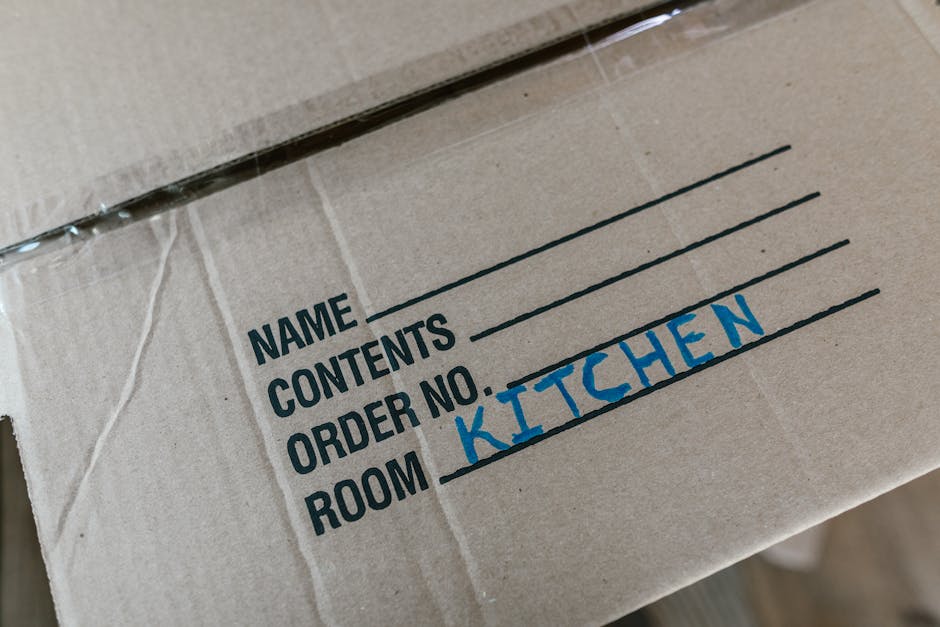
- Label boxes by destination room and priority. Add "open first" or "fragile" if needed.
- Keep one essentials bag. Think chargers, medication, documents, snacks, wipes, keys, and toiletries.
- Disassemble furniture early. Waiting until the truck arrives is how moving day gets weird.
- Photograph cable setups. It saves time when rebuilding desks, TVs, and routers.
- Book support based on reality, not hope. A small van is great until it is not.
If you have furniture you no longer want, it is often better to arrange removal or reuse before moving day. Services like furniture removals, furniture pick up, and even house removals can help reduce clutter before the main move.
One more thing: if you are moving something unusually heavy or delicate, such as a piano, do not wing it. Specialist piano removals exist for a reason. Heavy instruments and narrow hallways are a bad mix without the right handling.
Common Mistakes to Avoid
Most moving problems are predictable. That is the annoying part. The good news is that predictable problems are fixable.
- Underestimating volume: people often think they have "just a few boxes" and then somehow create a small mountain of belongings.
- Poor labelling: unlabeled boxes slow unpacking and create unnecessary rummaging.
- Leaving packing too late: last-minute packing almost always leads to overstuffed boxes and breakages.
- Ignoring access issues: parking, stairs, and narrow entrances can change the whole plan.
- Choosing the wrong vehicle: too small means extra journeys; too large can be awkward for access.
- Forgetting about disposal: moving is a good time to clear broken furniture, old boxes, and unwanted items responsibly.
A common one, and this is a classic, is assuming the move will "just take a bit longer" if you leave everything to the day. It usually takes much longer than that. Sometimes a lot longer.
If you are balancing time pressure, you may want to look at same day removals for urgent situations, but use that option carefully. It is helpful when life has thrown you a curveball, though it is still better to plan ahead where possible.
Tools, Resources and Recommendations
You do not need a fancy toolkit to move well. But a few simple items make a real difference.
| Tool or resource | Why it helps | Best use case |
|---|---|---|
| Strong boxes | Protects contents and makes stacking safer | Books, kitchenware, clothes, mixed household goods |
| Packing tape and marker pens | Keeps boxes sealed and clearly labelled | All move types |
| Furniture blankets | Reduces scratches and impact damage | Large furniture, appliances, fragile edges |
| Essential bag | Keeps day-one items within reach | Overnight moves and longer unloading days |
| Inventory list | Helps track items and spot missing pieces | Family homes, shared flats, office moves |
For bigger moves, it is worth comparing removal van hire with a fuller team and vehicle setup. If you need transport but not a full crew, removal truck hire may suit a larger self-managed move. And if you want a broader service from start to finish, removal companies can usually advise on the right fit once they know the volume and access details.
For workplace moves, especially those involving laptops, filing, printers, and desks, office relocation services tend to be more appropriate than trying to improvise with a few friends and a hatchback. Been there, seen the panic. Not ideal.
Law, Compliance, Standards, or Best Practice
For most home moves, the main compliance concerns are practical rather than complicated: safe lifting, responsible transport, insurance cover, and clear service terms. If a move involves employees, business assets, or specialist items, then expectations are higher and documentation matters more.
In the UK, safe moving practice usually means using equipment and methods that reduce the risk of injury or damage. That includes sensible lifting technique, suitable packing, and appropriate vehicle loading. It also means checking what is covered by insurance and what the customer is responsible for preparing. If you are booking a service, it is sensible to review the provider's insurance and safety information, as well as the terms and conditions, before confirming anything.
If you are comparing providers, look for clear pricing explanations through pricing and quotes, and make sure payment methods feel secure via payment and security. That is not being fussy. That is just sensible.
Businesses should also pay attention to access arrangements, building rules, and time windows. For larger workplace jobs, office removals and commercial moves tend to involve more coordination than a normal household relocation. If you need to understand service standards and company background, the about us page can be a useful place to start.
Options, Methods, or Comparison Table
Different moves need different approaches. There is no single "best" option, only the best one for your load, timing, and stress tolerance.
| Option | Best for | Pros | Watch out for |
|---|---|---|---|
| Man and van | Small to medium moves | Flexible, efficient, often cost-effective | May be too small for larger household loads |
| Removal van with support | Medium local moves | Good balance of help and affordability | Check loading capacity and access conditions |
| Full removals service | Family homes, bigger jobs, fragile items | Less stress, more help, better coordination | Costs more than self-managed options |
| Storage first, move later | Delayed completions or staged moves | Buys time and reduces pressure | Requires planning and extra handling |
If you are moving from a flat with awkward stairs, the balance often shifts toward a more hands-on option. A quick look at flat removals can help you see what level of support feels realistic. And if you are only moving a couple of items or doing a simple room change, man with a van may be enough.
Case Study or Real-World Example
Here is a typical local scenario. A couple moving from a compact place near Merton Abbey Mills to a property on Wimbledon Road had more belongings than they first admitted to themselves. Not wildly more. Just enough more to matter. Two sofas, a bed, several kitchen boxes, clothes rails, and a few awkward decorative items that suddenly felt precious once bubble wrap came out.
At first, they planned to do it with a small vehicle and "a bit of help." Then they checked access. The new property had limited waiting space, the old place had a narrow entrance, and the sofa would have needed to be turned at a rather dramatic angle. They adjusted the plan, packed earlier than expected, removed a couple of items into storage, and booked a larger support option. The move became slower than their original fantasy, but much smoother in reality.
The useful lesson? The right plan is the one that fits the actual move, not the imagined one. People often want the cheapest or simplest option first. Fair enough. But once access and volume are properly considered, a slightly more structured choice often saves time and stress overall.
Practical Checklist
Use this checklist in the final week before moving day. It is simple, but it covers the things people tend to forget when the pace picks up.
- Confirm moving date, time, and access arrangements
- Check parking or stopping space at both addresses
- Measure large furniture and doorways
- Finish packing non-essentials early
- Label every box by room and priority
- Prepare an essentials bag for the first 24 hours
- Disassemble beds, shelves, and other bulky furniture
- Set aside documents, keys, and chargers
- Decide what will be sold, donated, recycled, or stored
- Review insurance, terms, and payment details
- Confirm whether you need packing and boxes, storage, or additional labour
- Keep refreshments ready; yes, really, it helps
Get a free quote today and see how much you can save.
Conclusion
A good move from Merton Abbey Mills to Wimbledon Road is not about luck. It is about preparation, realistic planning, and choosing the right level of help for the job. When you understand access, pack properly, and match the vehicle to the load, the whole day becomes more manageable. Less scrambling. Less lifting twice. Fewer surprise delays.
For many people, the best result is a move that feels almost calm. Not magical, not perfect, just calm enough that you can breathe, find the kettle, and start settling in. That is the real aim, really. A local move should feel like progress, not punishment.
If you are ready to take the next step, keep your plan simple, keep your boxes labelled, and trust the details. The little things do add up.
Frequently Asked Questions
How far is a move from Merton Abbey Mills to Wimbledon Road in practical terms?
It is a short local move, but the real effort depends more on access, packing, and loading time than the distance itself. In London, a short route can still take plenty of organisation.
What is the best moving option for a small flat?
For a small flat, a man and van or similar flexible setup is often enough. If the flat has stairs, bulky furniture, or limited parking, you may need more help than you first expect.
Should I use storage if my new place is not ready?
Yes, temporary storage can be very helpful if completion dates change or you need to stage the move. It reduces pressure and gives you breathing room.
How early should I start packing?
Ideally, start with off-season items and non-essentials at least a couple of weeks ahead if you can. Leaving everything until the night before is one of those decisions that always sounds manageable right up until it is not.
Do I need professional packing help?
Not always, but packing and unpacking services can be worth it if you are short on time, have fragile items, or simply want a less stressful move.
What should I do with furniture I do not want to take?
Arrange removal or disposal before moving day if possible. Services like furniture removals or furniture pick up can help you clear space without making the move itself more cluttered.
Is same-day moving a sensible option?
It can be, especially when plans change suddenly, but it is best used for urgent situations rather than as your default strategy. If you need speed, same day removals may be useful.
How do I know whether a van is big enough?
List your furniture, estimate box counts, and think about access. If you are unsure, speak to a provider that offers removal van options or a broader removals service so they can help size the job correctly.
What should I check before booking a removals company?
Look at pricing clarity, insurance, safety practice, payment terms, and whether the service suits your exact move. It is also sensible to read the provider's pricing and quotes information and insurance and safety details.
Are office moves handled differently from home moves?
Yes. Office moves usually need more coordination around timing, equipment, and business continuity. If your move is work-related, office relocation services are generally the better fit.
What if I only need to move a few items?
Then a smaller-scale option may be enough, such as man with van support. It is often the most practical choice for lighter local jobs.
How can I reduce the risk of damage during the move?
Use strong boxes, wrap fragile items carefully, protect furniture edges, and keep heavier items secure during transit. Clear labelling and sensible loading make a bigger difference than people expect.
Where can I get help if I want a more structured moving plan?
You can explore service information for home moves, house removals, and removal services, then choose the level of support that fits your situation.
Moving is rarely anyone's favourite day, but with the right preparation it can still be a very good one. Steady, organised, and strangely satisfying by the end.